
For the people who own and operate those estates, roasteries, and coffeehouses, that equipment isn’t just a tool; it is a significant investment and a vital business asset. A professional equipment appraisal gives you a credible, documented answer to a question that comes up more often than most business owners expect: what is this equipment actually worth? This guide walks through the equipment at each stage of the coffee supply chain and the situations where a professional equipment valuation becomes essential.
Coffee Growing and Harvesting Equipment
Coffee starts as a fruit. On coffee farms across the tropical world, coffee plants produce berries, often called cherries, that must be carefully harvested before any processing can begin. The equipment at this stage varies enormously depending on the scale and geography of the operation.
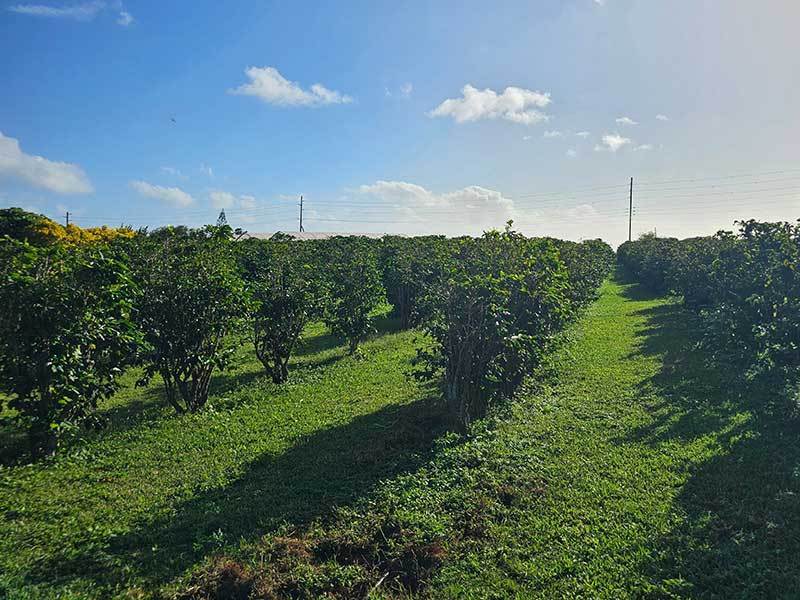
Large commercial plantations on flat ground may use stripping machines. On the Hawaiian island of Kauai, Korvan harvesters are used. The harvesters, originally designed to pick blueberries and now manufactured by Oxbo International, straddle the rows of coffee plants and use vibration to shake ripe cherries loose. Similar equipment used by Brazil’s large commodity growers may be from Case IH, one of the world’s largest agricultural equipment manufacturers. The labor savings are dramatic. Equipment of this type also represents serious capital, and it is a significant part of any farm’s total asset base.
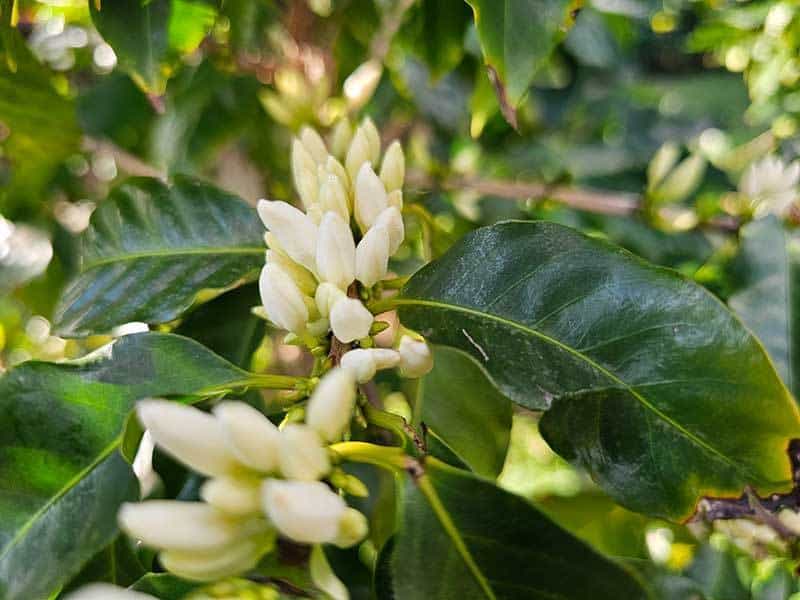
Smaller farms operate on an entirely different scale. At Finca Tantum Galapagos on Santa Cruz Island in the Galapagos Islands of Ecuador, hand-picking remains the primary harvest method. Between those two, there are estates that don’t have the luxury of flat terrain and may use smaller handheld vibrating rods, called derricadeiras, to shake coffee cherries onto tarps laid on the ground. But even for these smaller operations, processing equipment is essential, and its value is real.

Coffee Processing Equipment: From Cherry to Bean
Once harvested, the coffee cherry must be processed to remove the fruit and expose the green bean inside. This takes several pieces of specialized equipment, each directly affecting the quality of the final product. As with harvesting, larger operations will have more sophisticated equipment, but the process is similar.
Pulping, Washing, and Drying
The first step in wet processing is pulping. A pulping machine mechanically strips the outer skin from the cherry.

After pulping, the beans ferment to loosen the sticky mucilage layer beneath the skin, then get washed clean.
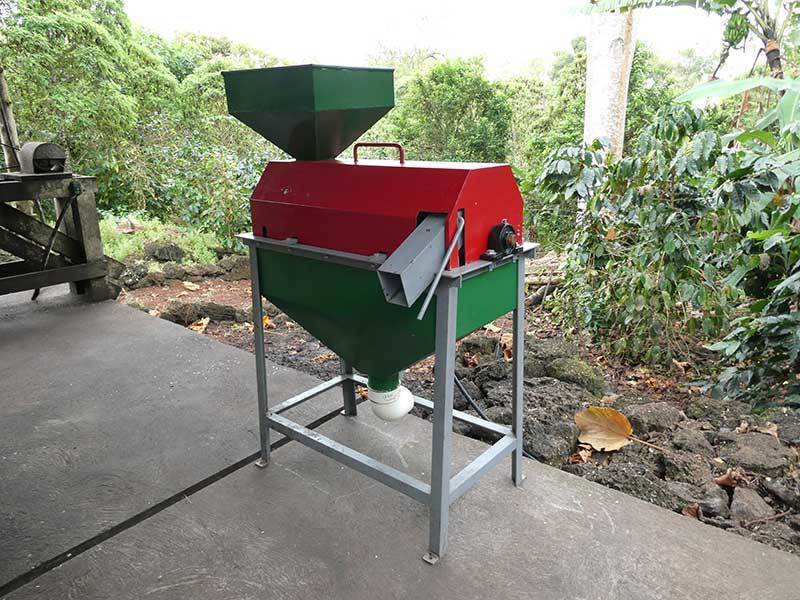
Washed beans then need to dry, on raised beds and drying tables, or in mechanical dryers such as rotary drum dryers or solar greenhouse dryers, down to a moisture level that is safe for storage and shipment.

While individual pieces of processing equipment at a small farm don’t carry the price tag of machinery at a commodity coffee plantation, together, they add up to real capital, and that matters when it is time to insure the operation, secure financing with the bank, negotiate with a buyer or new partner, complete a purchase price allocation after a sale, or manage a trust or family’s estate. A skilled equipment valuer assesses each piece on its own merits: age, condition, utility, and what comparable equipment is actually selling for in the secondary market.
Coffee Roasting Equipment
Roasting is where green coffee becomes coffee. Shelf-stable but essentially flavorless, green beans are exposed to high heat under precisely controlled conditions. The result is the color, aroma, and flavor we actually associate with the drink. The equipment that makes this happen is also some of the most capital-intensive in the coffee supply chain.
Large-Scale Commercial Roasting
At large commercial operations, industrial-grade roasters can process hundreds of pounds of coffee in a single batch. They are high-capacity machines that need substantial supporting infrastructure: gas systems, ventilation, afterburners for emissions compliance, and sophisticated digital controls. The roaster itself is just the start.

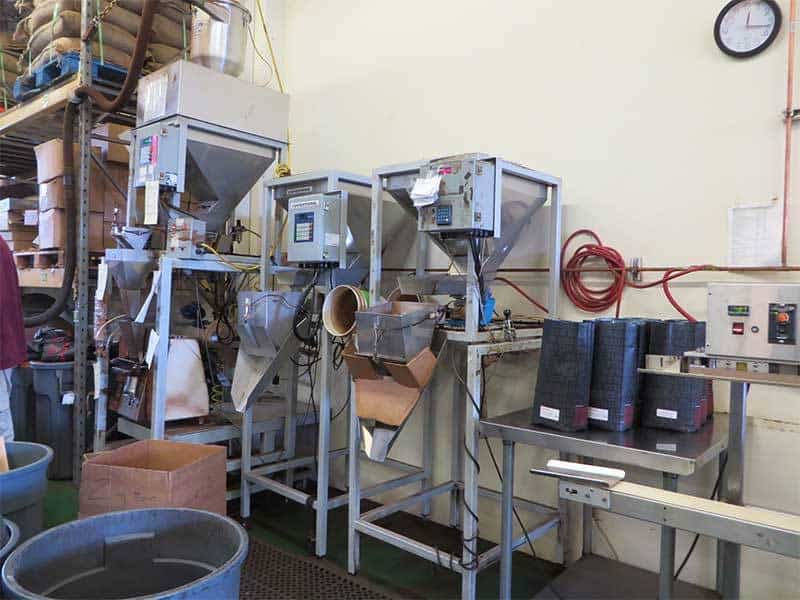
Support machinery at large roasting operations goes well beyond the roaster itself. Multi-head weighers portion roasted coffee for packaging lines. Conveyors move product through the facility. Environmental systems handle the considerable heat and smoke. There is a lot more going on than just the roaster.

Quality control has its own dedicated equipment. Test-batch roasters let teams develop and refine roast profiles on a small scale before committing to a full production run.

Small-Batch and Specialty Roasting
Craft and specialty roasters work at a smaller scale, but the equipment investments are still substantial. A well-maintained small-batch roaster, with its supporting weighers and packaging equipment, can represent tens of thousands of dollars in business assets.
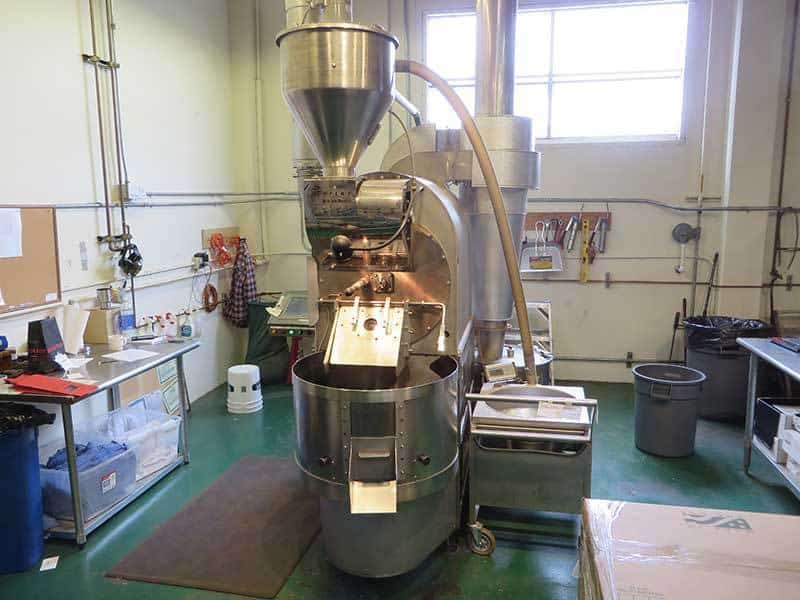

Even very compact operations have real roasting capability. At Finca Tantum Galápagos, the farm’s own equipment allows it to sell finished coffee directly to visitors and local buyers.
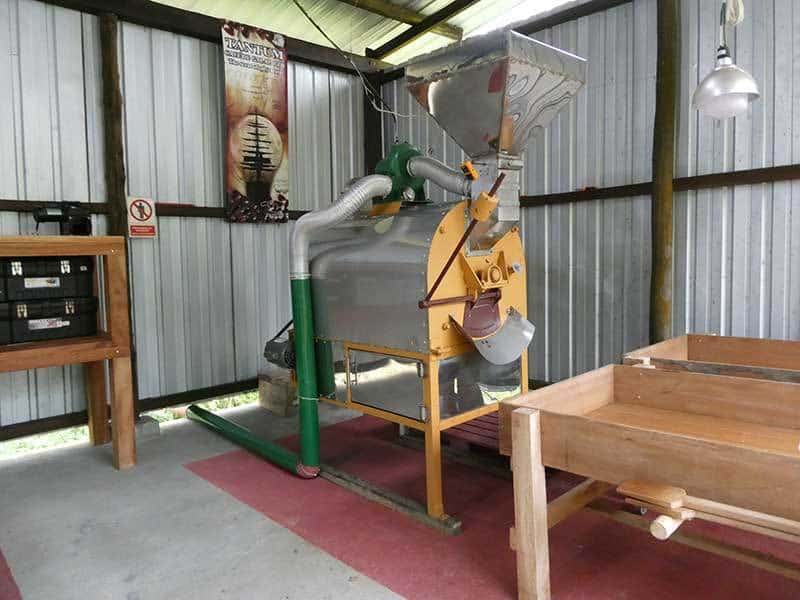
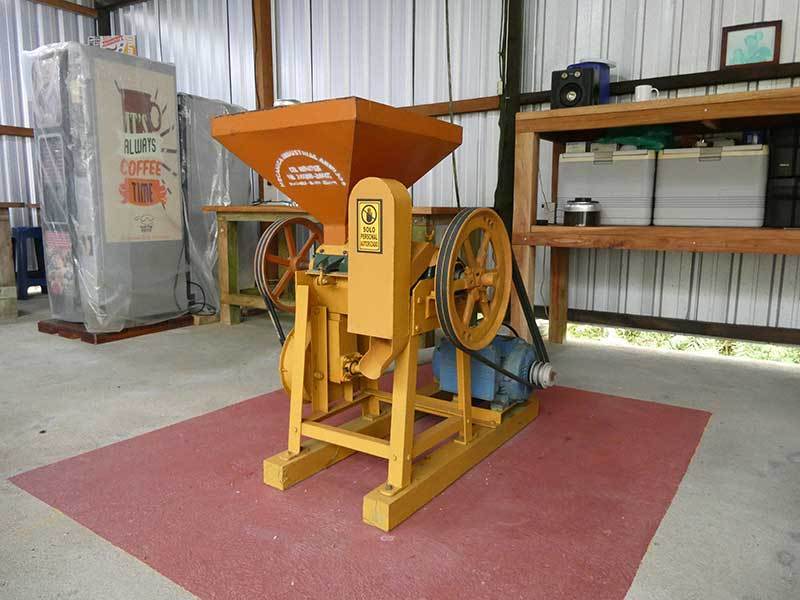
Appraising a roasting operation, large or small, requires genuine familiarity with the process and consideration of installation and other equipment-related costs. The value of an industrial coffee roaster is considerably higher once installed and operational than as a stand-alone piece of equipment sitting on a seller’s loading dock.
Coffee at the Counter and on the Shelf
At the retail end of the supply chain, coffee reaches consumers in two very different ways: brewed to order across a coffeehouse counter, and packaged for purchase at a grocery store or specialty food market.
Commercial Espresso Machines
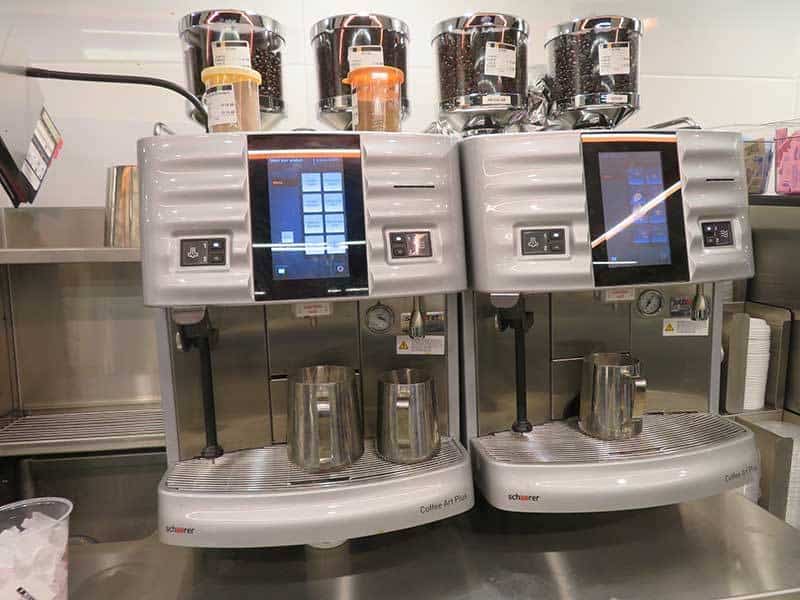
The commercial espresso machine is the centerpiece of the coffeehouse. Good ones are precision instruments, built to hold temperature stability, consistent pressure, and repeatable extraction across hundreds of drinks per day. Espresso machines from reputable brands will hold value in the secondary market, which matters when the machine is being appraised for financing, insurance, or a business sale.

Batch Brewers and Commercial Coffee Servers
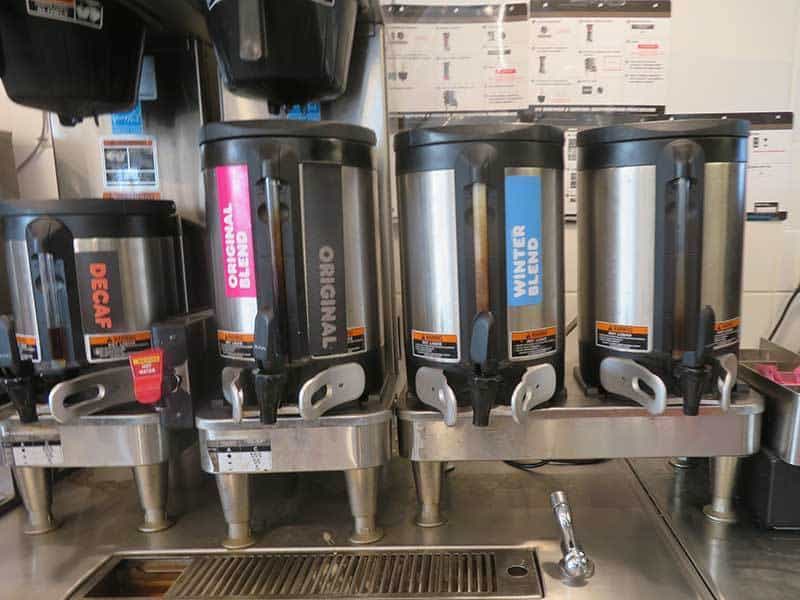
Beyond espresso, most coffeehouses depend on commercial batch brewers and thermal servers for drip coffee throughout the day. Brands like Bunn are the workhorses of food service coffee. Individually, each piece is modest in price. Across a multi-unit operation, they add up.

Coffeehouse appraisals also require sorting out a distinction that matters more than most owners realize. Some installed items, such as ventilation systems, certain plumbing connections, or fire suppression equipment tied to the coffee bar, may be classified as real property rather than personal property. Real property is valued separately from equipment and requires an appraiser with that specialty. An experienced appraiser knows how to make that call correctly, and getting it wrong can significantly change the scope and conclusions of the report.

Packaging Equipment for Grocery and Specialty Retail
For roasters selling bagged coffee through grocery stores or specialty food markets, the equipment story shifts from brewing to packaging. This is a different asset category entirely, and one that is easy to underestimate.
A mid-size roastery supplying retail accounts may have an extensive range of packaging equipment, including bag fillers, nitrogen-flush systems that displace oxygen to extend shelf life, heat sealers, and labeling equipment. Valve applicators, which attach the one-way degassing valves found on most quality coffee bags, are a separate piece of capital equipment in their own right. Checkweighers and inline metal detectors are standard requirements for many grocery buyers and co-packers, and they represent real capital even when operators think of them as compliance tools rather than production assets.
Operations selling at any volume into retail typically add shrink-wrap and case-packing equipment as well. Each piece has its own depreciation curve and secondary market. Packaging equipment for retail coffee trades in broader used-equipment markets spanning food processing and light manufacturing, not just the coffee industry.
Why You Might Need a Coffee Equipment Appraisal
Wherever you sit in the coffee supply chain, growing, processing, roasting, or retail, certain situations make a professional equipment appraisal essential.
Financing and Collateral Loans
In the United States, banks and other lenders typically require an equipment valuation that is compliant with the Uniform Standards of Professional Appraisal Practice (USPAP) before approving loans secured by business assets. The U.S. Small Business Administration (SBA) requires SBA-backed loans to be USPAP-compliant under their SOP 50 10 7.1, and the U.S. Department of Agriculture (USDA) has similar requirements.
The lender needs confidence that the collateral is worth what the borrower claims. The borrower needs a defensible, documented basis for the amount requested. A coffee grower upgrading harvest equipment and a roastery buying an industrial roaster will both need an appraisal before the lender approves a loan.
Insurance
Insuring your equipment properly means knowing what it would cost to replace it, or what its actual cash value is right now. Too little coverage leaves you exposed in the event of a fire, theft, or equipment damage. Too much means overpaying on premiums. A professional appraisal determines the right number and provides documentation to back up your claim if you ever need to make one.
Business Sales, Splits, Mergers, and Acquisitions
When a coffee business changes hands, whether one partner is buying out another, the whole operation is being sold, or a larger company is acquiring a roastery or farm, everyone at the table needs to know what the equipment is actually worth. An independent equipment valuation provides that clarity, supports price negotiations, and gives all parties a defensible basis for the numbers. Investors sizing up a stake in a coffee business need the same. Having a current appraisal in place before a transaction begins, rather than scrambling for one mid-negotiation, makes the process significantly smoother and less costly for everyone involved.
Purchase Price Allocation
When one business acquires another, tax law and accounting rules require that the purchase price be divided, or allocated, among the specific assets acquired: inventory, equipment, real estate, and intangibles like goodwill. Accurate equipment values are the foundation of getting that allocation right. In the U.S., the process is governed by IRS Regulations Section 1060, by ASC 805 (Business Combinations) and ASC 820 (Fair Value Measurements) under U.S. GAAP, and by IFRS 3 (Business Combinations) for companies reporting under the International Financial Reporting Standards. CPAs and business valuation professionals depend on accredited equipment valuers to supply those numbers.
Estate and Gift Taxes
When a coffee business, or equipment from one, is part of an estate or a trust, or is being transferred as a gift to family members, the IRS requires that fair market value be established by a qualified appraiser. Attorneys who handle estate planning and gift taxes for clients in the coffee industry routinely coordinate with equipment appraisers to meet these requirements.
Divorce and Litigation
When a coffee business is part of a divorce, an equipment appraisal can be a critical piece of the marital property settlement. The same is true in commercial litigation, where the value of equipment can be a central dispute. In both cases, the report must be thorough, well-documented, and able to withstand scrutiny from opposing counsel and the court. In some cases, the appraiser may also be called as an expert witness to explain and defend the valuation findings before a judge or arbitrator. Family law and litigation attorneys working with coffee business owners count on experienced appraisers for exactly this kind of support.
California Section 2000 Shareholder Disputes
California Corporations Code Section 2000 provides a specific legal process for resolving shareholder disputes in California corporations, including the buyout of dissenting shareholders. Fair value of the corporation must be determined, and that process depends on an accurate valuation of its equipment and other assets. Equipment appraisers handling Section 2000 matters need to be familiar with the specific value standards and procedural requirements these proceedings impose. This provision applies specifically to California corporations.
Working with a Qualified Equipment Appraiser
Lenders, tax authorities, courts, and accounting professionals all require valuations performed by qualified, accredited valuers who follow recognized professional standards. An appraisal that does not meet those standards is not just unhelpful; it can get rejected outright.
Not all appraisals use the same definition of value. Fair market value, the standard for most business transfer, tax, estate, and litigation purposes, assumes a willing buyer and seller with no pressure to transact. Fair value is the standard for purchase price allocations and financial reporting under GAAP and IVS. Lenders, however, often require orderly liquidation value, which estimates what equipment would bring in a reasonable but time-limited sale, or forced liquidation value, which assumes an immediate sale under auction conditions. The right definition depends on the purpose of the appraisal. A qualified appraiser will help you identify which standard applies to your situation before the work begins.
In the U.S. real estate world, you need a “certified appraiser.” Many of our clients start their search looking for a “certified equipment appraiser,” and it is easy to see why the phrase feels right. But in the equipment appraisal world, the correct term is accredited. Real estate appraisers are certified by state government agencies. Machinery and equipment appraisers are credentialed through professional organizations. The most rigorous and widely recognized credential is the Accredited Senior Appraiser (ASA) designation from the American Society of Appraisers, recognized by the IRS, courts, and financial institutions as the industry benchmark.
For U.S.-based clients, appraisals by an ASA-accredited appraiser follow the Uniform Standards of Professional Appraisal Practice (USPAP), the ethical and performance standards the IRS cites in defining a qualified appraisal for estate and gift tax purposes. For clients working under other frameworks, such as the International Valuation Standards (IVS) or the TEGoVA European Valuation Standards, the same rigorous methodology applies. In those contexts, the professional is typically called a valuer rather than an appraiser, but the commitment to credible, independent, well-documented work is the same.
Ready to Get Started? Contact Sencer Appraisal Associates.
Grow, process, roast, or sell coffee? Work as an attorney, accountant, lender, or investor with coffee businesses? Sencer Appraisal Associates can help. Our accredited equipment valuers bring the expertise, credentials, and industry knowledge to deliver accurate, defensible appraisals across the full coffee supply chain.
Our clients have ranged from sole proprietors to Fortune 5 multinationals. Lenders rely on our reports for asset-based lending, collateral monitoring, and loan workouts—from local credit unions to the largest financial institutions. Our valuations have passed audits under U.S. GAAP and International Valuation Standards, and have been accepted by the IRS and the U.S. Small Business Administration.
Contact Sencer Appraisal Associates today for a no-obligation consultation.